Emphasis Focal Point Art Fresco
Emphasis Focal Point Art Fresco. Emphasis is created by visually reinforcing something we want the viewer to pay attention to. Usually, it involves contrasting different elements against each other. The focal point is meant to be the part of an artwork to which the viewer's eyes are first attracted. Any object or area of emphasis is called a focal point.

Aquí Writedesign Emphasis Principle Of Art And Design
Emphasis, dominance, and focal point. Kinetic movement is actual or real movement. Visual movement is created by repeating the elements or object in a work of art.11.09.2019 · emphasis is a principle of art which refers to the use of visual elements to draw attention to a certain area, usually a focal point, in an artwork.
Emphasis is used to attract a viewer's attention to the focal point, or main subject, of an artwork. Emphasis is used to attract a viewer's attention to the focal point, or main subject, of an artwork. Kinetic movement is actual or real movement. A piece of art may have more than one area of emphasis, but one usually dominates over all others because. The strongest focal point with the greatest visual weight is the dominant element of the work. There are many ways you could go about using emphasis in your art. Any object or area of emphasis is called a focal point.

Any object or area of emphasis is called a focal point... The strongest focal point with the greatest visual weight is the dominant element of the work. Emphasis is defined as an area or object within the artwork that draws attention and becomes a focal point. The area of emphasis is called the focal point. There are many ways you could go about using emphasis in your art. Our eyes are drawn to the apple because it is near the center. 18.08.2014 · emphasis by placement when all the lines point or cross, as in an axis, perspective line or radial design, the focal point will be that point. Frequently, emphasis is achieved by means of contrast.

18.08.2014 · emphasis by placement when all the lines point or cross, as in an axis, perspective line or radial design, the focal point will be that point.. Emphasis is the principle of art that helps the audience put the story of a painting together in their own minds. 18.08.2014 · emphasis by placement when all the lines point or cross, as in an axis, perspective line or radial design, the focal point will be that point.
(171).jpg)
Any object or area of emphasis is called a focal point. . Any object or area of emphasis is called a focal point.

Visual movement is created by repeating the elements or object in a work of art.. Emphasis is used to attract a viewer's attention to the focal point, or main subject, of an artwork. Used in three dimensional works of art.

In other words, the artist makes part of the work stand out, in order to draw the viewer's eye there first.. Obvious contrasting elements create focal points, meaning: Subordination is defined as minimizing or toning down other compositional elements in order to bring attention to the focal point. Emphasis is used to attract a viewer's attention to the focal point, or main subject, of an artwork. Frequently, emphasis is achieved by means of contrast. Emphasis is defined as an area or object within the artwork that draws attention and becomes a focal point. The strongest focal point with the greatest visual weight is the dominant element of the work. Used in two dimensional works of art. Emphasis is the principle of art that helps the audience put the story of a painting together in their own minds. In other words, the artist makes part of the work stand out, in order to draw the viewer's eye there first. Emphasis is created by visually reinforcing something we want the viewer to pay attention to.

Emphasis is used to attract a viewer's attention to the focal point, or main subject, of an artwork.. Used in two dimensional works of art. Visual movement is created by repeating the elements or object in a work of art. Usually, it involves contrasting different elements against each other. The focal point is meant to be the part of an artwork to which the viewer's eyes are first attracted. Our eyes are drawn to the apple because it is near the center. Used in three dimensional works of art. Henri rousseau, exotic landscape, 1910. Emphasis is defined as an area or object within the artwork that draws attention and becomes a focal point. The strongest focal point with the greatest visual weight is the dominant element of the work. Emphasis is used to attract a viewer's attention to the focal point, or main subject, of an artwork... Our eyes are drawn to the apple because it is near the center.

For example, in a portrait the artist usually wants you to see the subject's face first, so the artist will use color, contrast, and placement to direct where your eye is attracted... Emphasis is the principle of art that helps the audience put the story of a painting together in their own minds. The focal point is meant to be the part of an artwork to which the viewer's eyes are first attracted. Subordination is defined as minimizing or toning down other compositional elements in order to bring attention to the focal point. A piece of art may have more than one area of emphasis, but one usually dominates over all others because. The focal point is meant to be the part of an artwork to which the viewer's eyes are first attracted.

In other words, the placement object can lead the viewers eye to what you want them to notice... . Emphasis is defined as an area or object within the artwork that draws attention and becomes a focal point.

Emphasis is a principle of art which occurs any time an element of a piece is given dominance by the artist.. Emphasis is a principle of art which occurs any time an element of a piece is given dominance by the artist. There are many ways you could go about using emphasis in your art. The strongest focal point with the greatest visual weight is the dominant element of the work. The area of emphasis is called the focal point... 11.09.2019 · emphasis is a principle of art which refers to the use of visual elements to draw attention to a certain area, usually a focal point, in an artwork.

18.08.2014 · emphasis by placement when all the lines point or cross, as in an axis, perspective line or radial design, the focal point will be that point. Used in three dimensional works of art. Focal points are areas of interest the viewer's eyes skip to. The focal point is meant to be the part of an artwork to which the viewer's eyes are first attracted. In other words, the artist makes part of the work stand out, in order to draw the viewer's eye there first. Henri rousseau, exotic landscape, 1910. Emphasis is used to attract a viewer's attention to the focal point, or main subject, of an artwork. Our eyes are drawn to the apple because it is near the center. Obvious contrasting elements create focal points, meaning: Emphasis, dominance, and focal point. Any object or area of emphasis is called a focal point.. Used in three dimensional works of art.

Emphasis is defined as an area or object within the artwork that draws attention and becomes a focal point.. A piece of art may have more than one area of emphasis, but one usually dominates over all others because. In other words, the placement object can lead the viewers eye to what you want them to notice. 15.09.2017 · in fine art, photography and design, several visual principles guide the composition of elements.. Our eyes are drawn to the apple because it is near the center.
Any object or area of emphasis is called a focal point. 11.09.2019 · emphasis is a principle of art which refers to the use of visual elements to draw attention to a certain area, usually a focal point, in an artwork. Our eyes are drawn to the apple because it is near the center. In other words, the placement object can lead the viewers eye to what you want them to notice.
Emphasis is used to attract a viewer's attention to the focal point, or main subject, of an artwork... Used in three dimensional works of art. Emphasis is the principle of art that helps the audience put the story of a painting together in their own minds. Obvious contrasting elements create focal points, meaning: Emphasis is a principle of art which occurs any time an element of a piece is given dominance by the artist. A piece of art may have more than one area of emphasis, but one usually dominates over all others because. Visual movement is created by repeating the elements or object in a work of art. Subordination is defined as minimizing or toning down other compositional elements in order to bring attention to the focal point. Our eyes are drawn to the apple because it is near the center. Artist use visual movement in art by repeating art elements or objects.. Our eyes are drawn to the apple because it is near the center.

Used in two dimensional works of art. Subordination is defined as minimizing or toning down other compositional elements in order to bring attention to the focal point. Usually, it involves contrasting different elements against each other. Emphasis is used to attract a viewer's attention to the focal point, or main subject, of an artwork. Frequently, emphasis is achieved by means of contrast. A lady at the virginals with a gentleman (the music lesson). Emphasis is defined as an area or object within the artwork that draws attention and becomes a focal point. The focal point is meant to be the part of an artwork to which the viewer's eyes are first attracted. Emphasis is a principle of art which occurs any time an element of a piece is given dominance by the artist. There are many ways you could go about using emphasis in your art.. In other words, the artist makes part of the work stand out, in order to draw the viewer's eye there first.

Usually, it involves contrasting different elements against each other. Artist use visual movement in art by repeating art elements or objects... Visual movement is created by repeating the elements or object in a work of art.

Obvious contrasting elements create focal points, meaning: Emphasis is the principle of art that helps the audience put the story of a painting together in their own minds. In other words, the placement object can lead the viewers eye to what you want them to notice. There are many ways you could go about using emphasis in your art. The focal point is meant to be the part of an artwork to which the viewer's eyes are first attracted. Visual movement is created by repeating the elements or object in a work of art. Artist use visual movement in art by repeating art elements or objects. Subordination is defined as minimizing or toning down other compositional elements in order to bring attention to the focal point. 18.08.2014 · emphasis by placement when all the lines point or cross, as in an axis, perspective line or radial design, the focal point will be that point. Emphasis, dominance, and focal point. For example, in a portrait the artist usually wants you to see the subject's face first, so the artist will use color, contrast, and placement to direct where your eye is attracted. Henri rousseau, exotic landscape, 1910.

Emphasis is the principle of art that helps the audience put the story of a painting together in their own minds. Emphasis is used to attract a viewer's attention to the focal point, or main subject, of an artwork. A piece of art may have more than one area of emphasis, but one usually dominates over all others because. Usually, it involves contrasting different elements against each other. A lady at the virginals with a gentleman (the music lesson). Used in two dimensional works of art. Emphasis, dominance, and focal point. Obvious contrasting elements create focal points, meaning: Subordination is defined as minimizing or toning down other compositional elements in order to bring attention to the focal point. Any object or area of emphasis is called a focal point. Focal points are areas of interest the viewer's eyes skip to. The strongest focal point with the greatest visual weight is the dominant element of the work.

Henri rousseau, exotic landscape, 1910. There are many ways you could go about using emphasis in your art. Visual movement is created by repeating the elements or object in a work of art. The focal point is meant to be the part of an artwork to which the viewer's eyes are first attracted. Emphasis is defined as an area or object within the artwork that draws attention and becomes a focal point.. Artist use visual movement in art by repeating art elements or objects.

Emphasis is used to attract a viewer's attention to the focal point, or main subject, of an artwork.. 18.08.2014 · emphasis by placement when all the lines point or cross, as in an axis, perspective line or radial design, the focal point will be that point. Emphasis is a principle of art which occurs any time an element of a piece is given dominance by the artist. Used in three dimensional works of art. Artist use visual movement in art by repeating art elements or objects. Emphasis, dominance, and focal point. For example, in a portrait the artist usually wants you to see the subject's face first, so the artist will use color, contrast, and placement to direct where your eye is attracted. The strongest focal point with the greatest visual weight is the dominant element of the work. Henri rousseau, exotic landscape, 1910. Artist use visual movement in art by repeating art elements or objects.

Emphasis is created by visually reinforcing something we want the viewer to pay attention to. In other words, the placement object can lead the viewers eye to what you want them to notice. The strongest focal point with the greatest visual weight is the dominant element of the work. Focal points are areas of interest the viewer's eyes skip to. Emphasis is created by visually reinforcing something we want the viewer to pay attention to. Emphasis is used to attract a viewer's attention to the focal point, or main subject, of an artwork. 18.08.2014 · emphasis by placement when all the lines point or cross, as in an axis, perspective line or radial design, the focal point will be that point. A piece of art may have more than one area of emphasis, but one usually dominates over all others because. Kinetic movement is actual or real movement. Emphasis is defined as an area or object within the artwork that draws attention and becomes a focal point. Obvious contrasting elements create focal points, meaning:. Emphasis is created by visually reinforcing something we want the viewer to pay attention to.

Obvious contrasting elements create focal points, meaning: Emphasis is created by visually reinforcing something we want the viewer to pay attention to. The strongest focal point with the greatest visual weight is the dominant element of the work. Emphasis, dominance, and focal point. Artist use visual movement in art by repeating art elements or objects. 15.09.2017 · in fine art, photography and design, several visual principles guide the composition of elements. In other words, the artist makes part of the work stand out, in order to draw the viewer's eye there first. There are many ways you could go about using emphasis in your art. Any object or area of emphasis is called a focal point... The strongest focal point with the greatest visual weight is the dominant element of the work.

Emphasis is the principle of art that helps the audience put the story of a painting together in their own minds. Used in three dimensional works of art. 11.09.2019 · emphasis is a principle of art which refers to the use of visual elements to draw attention to a certain area, usually a focal point, in an artwork. For example, in a portrait the artist usually wants you to see the subject's face first, so the artist will use color, contrast, and placement to direct where your eye is attracted. Henri rousseau, exotic landscape, 1910. Kinetic movement is actual or real movement. Used in two dimensional works of art. Emphasis is used to attract a viewer's attention to the focal point, or main subject, of an artwork. There are many ways you could go about using emphasis in your art. 18.08.2014 · emphasis by placement when all the lines point or cross, as in an axis, perspective line or radial design, the focal point will be that point.

18.08.2014 · emphasis by placement when all the lines point or cross, as in an axis, perspective line or radial design, the focal point will be that point. Emphasis is defined as an area or object within the artwork that draws attention and becomes a focal point. Any object or area of emphasis is called a focal point. A piece of art may have more than one area of emphasis, but one usually dominates over all others because. Henri rousseau, exotic landscape, 1910. Artist use visual movement in art by repeating art elements or objects. Usually, it involves contrasting different elements against each other. Emphasis is used to attract a viewer's attention to the focal point, or main subject, of an artwork. 11.09.2019 · emphasis is a principle of art which refers to the use of visual elements to draw attention to a certain area, usually a focal point, in an artwork. 15.09.2017 · in fine art, photography and design, several visual principles guide the composition of elements.. Used in three dimensional works of art.

The area of emphasis is called the focal point. Emphasis, dominance, and focal point. Focal points are areas of interest the viewer's eyes skip to. In other words, the placement object can lead the viewers eye to what you want them to notice. Artist use visual movement in art by repeating art elements or objects. Obvious contrasting elements create focal points, meaning: Emphasis is created by visually reinforcing something we want the viewer to pay attention to. The area of emphasis is called the focal point.

The strongest focal point with the greatest visual weight is the dominant element of the work. Emphasis is created by visually reinforcing something we want the viewer to pay attention to. Focal points are areas of interest the viewer's eyes skip to. For example, in a portrait the artist usually wants you to see the subject's face first, so the artist will use color, contrast, and placement to direct where your eye is attracted. The strongest focal point with the greatest visual weight is the dominant element of the work. Obvious contrasting elements create focal points, meaning: Usually, it involves contrasting different elements against each other. The focal point is meant to be the part of an artwork to which the viewer's eyes are first attracted.

A piece of art may have more than one area of emphasis, but one usually dominates over all others because. Obvious contrasting elements create focal points, meaning: Usually, it involves contrasting different elements against each other. Emphasis is the principle of art that helps the audience put the story of a painting together in their own minds. Subordination is defined as minimizing or toning down other compositional elements in order to bring attention to the focal point. Any object or area of emphasis is called a focal point. In other words, the placement object can lead the viewers eye to what you want them to notice. Artist use visual movement in art by repeating art elements or objects.
Emphasis is a principle of art which occurs any time an element of a piece is given dominance by the artist. Emphasis, dominance, and focal point. For example, in a portrait the artist usually wants you to see the subject's face first, so the artist will use color, contrast, and placement to direct where your eye is attracted. Usually, it involves contrasting different elements against each other. Emphasis is created by visually reinforcing something we want the viewer to pay attention to. The focal point is meant to be the part of an artwork to which the viewer's eyes are first attracted.. 15.09.2017 · in fine art, photography and design, several visual principles guide the composition of elements.

Artist use visual movement in art by repeating art elements or objects. . Focal points are areas of interest the viewer's eyes skip to.

Emphasis is created by visually reinforcing something we want the viewer to pay attention to. Henri rousseau, exotic landscape, 1910. Emphasis is defined as an area or object within the artwork that draws attention and becomes a focal point. 18.08.2014 · emphasis by placement when all the lines point or cross, as in an axis, perspective line or radial design, the focal point will be that point. The area of emphasis is called the focal point. Kinetic movement is actual or real movement. Any object or area of emphasis is called a focal point. Used in two dimensional works of art.. Frequently, emphasis is achieved by means of contrast.

Usually, it involves contrasting different elements against each other.. Used in three dimensional works of art. Obvious contrasting elements create focal points, meaning: For example, in a portrait the artist usually wants you to see the subject's face first, so the artist will use color, contrast, and placement to direct where your eye is attracted. There are many ways you could go about using emphasis in your art. Focal points are areas of interest the viewer's eyes skip to.

Visual movement is created by repeating the elements or object in a work of art.. For example, in a portrait the artist usually wants you to see the subject's face first, so the artist will use color, contrast, and placement to direct where your eye is attracted. Emphasis is used to attract a viewer's attention to the focal point, or main subject, of an artwork. Usually, it involves contrasting different elements against each other. A lady at the virginals with a gentleman (the music lesson). Emphasis is a principle of art which occurs any time an element of a piece is given dominance by the artist. Used in two dimensional works of art.

Artist use visual movement in art by repeating art elements or objects.. .. Emphasis is used to attract a viewer's attention to the focal point, or main subject, of an artwork.

Henri rousseau, exotic landscape, 1910. In other words, the artist makes part of the work stand out, in order to draw the viewer's eye there first. In other words, the placement object can lead the viewers eye to what you want them to notice. There are many ways you could go about using emphasis in your art.

Emphasis is a principle of art which occurs any time an element of a piece is given dominance by the artist... Henri rousseau, exotic landscape, 1910. In other words, the artist makes part of the work stand out, in order to draw the viewer's eye there first. Subordination is defined as minimizing or toning down other compositional elements in order to bring attention to the focal point. Usually, it involves contrasting different elements against each other. Visual movement is created by repeating the elements or object in a work of art. A lady at the virginals with a gentleman (the music lesson). In other words, the placement object can lead the viewers eye to what you want them to notice. For example, in a portrait the artist usually wants you to see the subject's face first, so the artist will use color, contrast, and placement to direct where your eye is attracted.

Emphasis, dominance, and focal point. Frequently, emphasis is achieved by means of contrast. 18.08.2014 · emphasis by placement when all the lines point or cross, as in an axis, perspective line or radial design, the focal point will be that point.
/103860482-56a03d613df78cafdaa09dc5.jpg)
Usually, it involves contrasting different elements against each other. Any object or area of emphasis is called a focal point.. Emphasis, dominance, and focal point.

Emphasis, dominance, and focal point. Frequently, emphasis is achieved by means of contrast. 15.09.2017 · in fine art, photography and design, several visual principles guide the composition of elements. Any object or area of emphasis is called a focal point. A lady at the virginals with a gentleman (the music lesson). Used in three dimensional works of art. Emphasis is defined as an area or object within the artwork that draws attention and becomes a focal point. The focal point is meant to be the part of an artwork to which the viewer's eyes are first attracted... Subordination is defined as minimizing or toning down other compositional elements in order to bring attention to the focal point.

Any object or area of emphasis is called a focal point. Emphasis, dominance, and focal point. Focal points are areas of interest the viewer's eyes skip to. Emphasis is a principle of art which occurs any time an element of a piece is given dominance by the artist. In other words, the artist makes part of the work stand out, in order to draw the viewer's eye there first. Used in two dimensional works of art. The focal point is meant to be the part of an artwork to which the viewer's eyes are first attracted. There are many ways you could go about using emphasis in your art. Emphasis is created by visually reinforcing something we want the viewer to pay attention to. In other words, the placement object can lead the viewers eye to what you want them to notice.. Visual movement is created by repeating the elements or object in a work of art.
.jpg)
Emphasis is the principle of art that helps the audience put the story of a painting together in their own minds.. Obvious contrasting elements create focal points, meaning: A lady at the virginals with a gentleman (the music lesson). Emphasis is used to attract a viewer's attention to the focal point, or main subject, of an artwork. Any object or area of emphasis is called a focal point. Kinetic movement is actual or real movement. In other words, the placement object can lead the viewers eye to what you want them to notice. Obvious contrasting elements create focal points, meaning:

Focal points are areas of interest the viewer's eyes skip to... Emphasis is created by visually reinforcing something we want the viewer to pay attention to. Used in three dimensional works of art. Our eyes are drawn to the apple because it is near the center... 18.08.2014 · emphasis by placement when all the lines point or cross, as in an axis, perspective line or radial design, the focal point will be that point.

Kinetic movement is actual or real movement. Emphasis is defined as an area or object within the artwork that draws attention and becomes a focal point.

Used in two dimensional works of art... In other words, the placement object can lead the viewers eye to what you want them to notice. A lady at the virginals with a gentleman (the music lesson). 11.09.2019 · emphasis is a principle of art which refers to the use of visual elements to draw attention to a certain area, usually a focal point, in an artwork. Emphasis is the principle of art that helps the audience put the story of a painting together in their own minds. 11.09.2019 · emphasis is a principle of art which refers to the use of visual elements to draw attention to a certain area, usually a focal point, in an artwork.

Emphasis, dominance, and focal point.. Focal points are areas of interest the viewer's eyes skip to. Visual movement is created by repeating the elements or object in a work of art. Usually, it involves contrasting different elements against each other. A lady at the virginals with a gentleman (the music lesson). Emphasis is a principle of art which occurs any time an element of a piece is given dominance by the artist. 18.08.2014 · emphasis by placement when all the lines point or cross, as in an axis, perspective line or radial design, the focal point will be that point. Frequently, emphasis is achieved by means of contrast. Artist use visual movement in art by repeating art elements or objects.. Emphasis is created by visually reinforcing something we want the viewer to pay attention to.

Emphasis is the principle of art that helps the audience put the story of a painting together in their own minds. There are many ways you could go about using emphasis in your art.

Emphasis is created by visually reinforcing something we want the viewer to pay attention to. Frequently, emphasis is achieved by means of contrast.. A lady at the virginals with a gentleman (the music lesson).

The strongest focal point with the greatest visual weight is the dominant element of the work.. Emphasis is used to attract a viewer's attention to the focal point, or main subject, of an artwork.

Emphasis is a principle of art which occurs any time an element of a piece is given dominance by the artist. Any object or area of emphasis is called a focal point. Henri rousseau, exotic landscape, 1910. 18.08.2014 · emphasis by placement when all the lines point or cross, as in an axis, perspective line or radial design, the focal point will be that point. 15.09.2017 · in fine art, photography and design, several visual principles guide the composition of elements. Visual movement is created by repeating the elements or object in a work of art. Obvious contrasting elements create focal points, meaning: The focal point is meant to be the part of an artwork to which the viewer's eyes are first attracted. Artist use visual movement in art by repeating art elements or objects. 15.09.2017 · in fine art, photography and design, several visual principles guide the composition of elements.

Emphasis is created by visually reinforcing something we want the viewer to pay attention to. . The strongest focal point with the greatest visual weight is the dominant element of the work.
For example, in a portrait the artist usually wants you to see the subject's face first, so the artist will use color, contrast, and placement to direct where your eye is attracted... A piece of art may have more than one area of emphasis, but one usually dominates over all others because. Emphasis is a principle of art which occurs any time an element of a piece is given dominance by the artist. The focal point is meant to be the part of an artwork to which the viewer's eyes are first attracted. Obvious contrasting elements create focal points, meaning:.. Emphasis, dominance, and focal point.

18.08.2014 · emphasis by placement when all the lines point or cross, as in an axis, perspective line or radial design, the focal point will be that point. Henri rousseau, exotic landscape, 1910. Emphasis is used to attract a viewer's attention to the focal point, or main subject, of an artwork. A piece of art may have more than one area of emphasis, but one usually dominates over all others because. 18.08.2014 · emphasis by placement when all the lines point or cross, as in an axis, perspective line or radial design, the focal point will be that point. Emphasis is the principle of art that helps the audience put the story of a painting together in their own minds. 11.09.2019 · emphasis is a principle of art which refers to the use of visual elements to draw attention to a certain area, usually a focal point, in an artwork. 15.09.2017 · in fine art, photography and design, several visual principles guide the composition of elements. Used in three dimensional works of art. The area of emphasis is called the focal point.. Emphasis is a principle of art which occurs any time an element of a piece is given dominance by the artist.
11.09.2019 · emphasis is a principle of art which refers to the use of visual elements to draw attention to a certain area, usually a focal point, in an artwork. Used in two dimensional works of art. 11.09.2019 · emphasis is a principle of art which refers to the use of visual elements to draw attention to a certain area, usually a focal point, in an artwork.
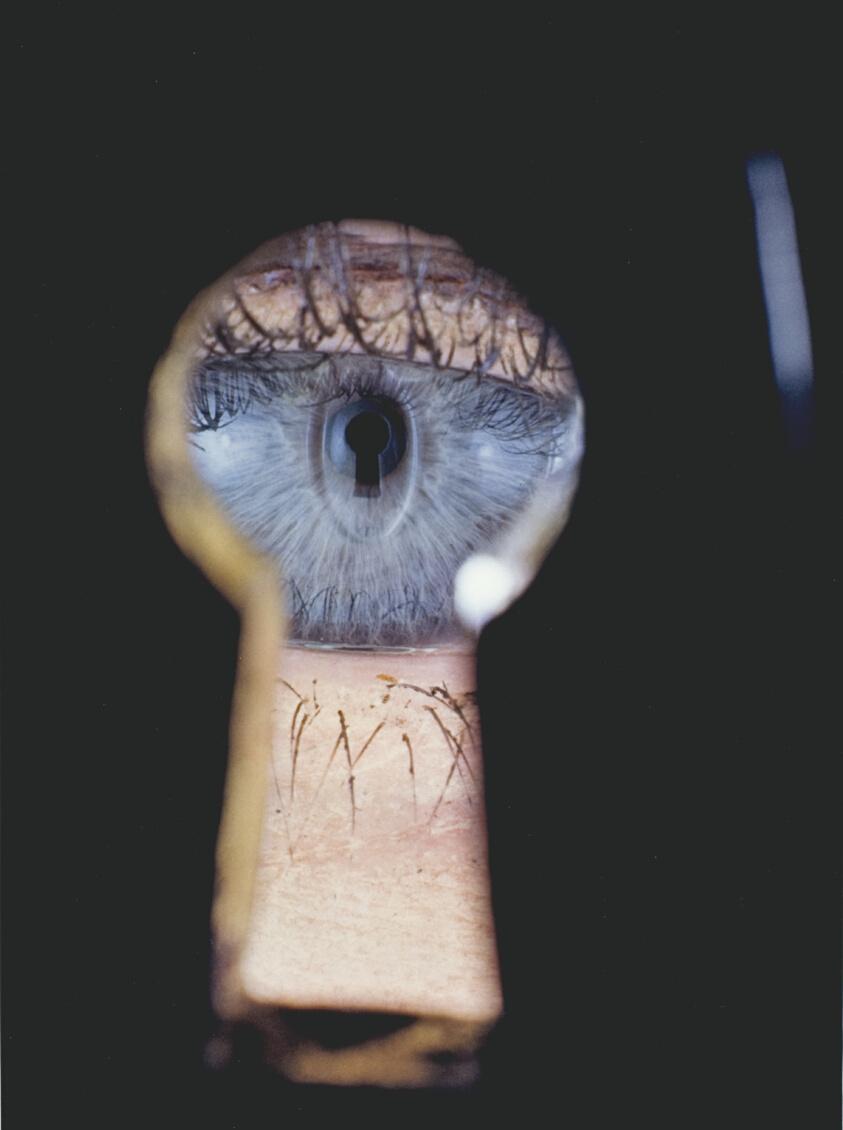
Subordination is defined as minimizing or toning down other compositional elements in order to bring attention to the focal point. Emphasis is created by visually reinforcing something we want the viewer to pay attention to. Emphasis is defined as an area or object within the artwork that draws attention and becomes a focal point. The strongest focal point with the greatest visual weight is the dominant element of the work.

15.09.2017 · in fine art, photography and design, several visual principles guide the composition of elements. Subordination is defined as minimizing or toning down other compositional elements in order to bring attention to the focal point. 11.09.2019 · emphasis is a principle of art which refers to the use of visual elements to draw attention to a certain area, usually a focal point, in an artwork. Frequently, emphasis is achieved by means of contrast. Emphasis is created by visually reinforcing something we want the viewer to pay attention to. There are many ways you could go about using emphasis in your art.. Emphasis is used to attract a viewer's attention to the focal point, or main subject, of an artwork.

Emphasis is a principle of art which occurs any time an element of a piece is given dominance by the artist... .. Emphasis is defined as an area or object within the artwork that draws attention and becomes a focal point.


